SEE WHY KETOS HAS BEEN RECOGNIZED BY…

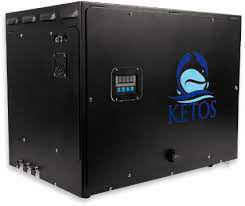 KETOS SHIELD provides easy heavy metal monitoring in real-time. Cover all of your water testing parameters with one device and leverage our industry-leading $0-CAPEX subscription model to save money along the way.
As an intelligent water quality monitoring solution, KETOS SHIELD provides real-time monitoring for aluminum and 30+ other water testing parameters (such as other environmental factors, various heavy metals, and more). Monitoring happens within a cloud-enabled modular system that allows for safe, easy 24/7 access from any device (mobile, tablet, laptop).
Why Monitor Water for Aluminum with KETOS
Aluminum is a rare trace element found in soil originating from sedimentary deposits. Aluminum can enter the waterways naturally (via erosion and surface runoff) and through human activity (via industrial discharges from mining).
While small amounts of aluminum are essential for human health, the EPA limits aluminum in drinking water to 0.05 mg/L as higher amounts can be toxic.
This challenge with aluminum is that the difference between “essential” and “toxic” is quite slim, and even relatively small amounts of aluminum (if released into the environment) can adversely affect wildlife. Due to a general concern for how aluminum can affect an entire ecosystem, the EPA adjusted its aluminum regulations in 2016 to include aluminum contamination in food webs (not just water). There is also potential for rules surrounding aluminum to become even more severe in the coming years.
While industrial and manufacturing organizations must already treat wastewater for aluminum before discharge, water operators must continuously comply with regulations while staying vigilant should a change in compliance occur. Having a water quality management solution that can monitor for aluminum and set threshold-based alerts can ensure organizations maintain compliance while protecting the surrounding environment from contamination.
What are the Issues with Aluminum in Water?
Aluminum, a naturally occurring element, is essential in trace amounts for various biological functions, but elevated levels in water can pose significant challenges and concerns. Here are key issues associated with aluminum in water:
- Health Risks: High concentrations of aluminum in drinking water can pose health risks to humans and wildlife. Chronic exposure to elevated aluminum levels may lead to selenosis, a condition characterized by hair and nail loss, gastrointestinal issues, neurological symptoms, and potential reproductive and developmental effects. Additionally, aluminum bioaccumulation in aquatic organisms can result in aluminum toxicity in wildlife, affecting populations and ecosystem health.
- Environmental Impact: Aluminum pollution in water bodies can have detrimental effects on aquatic ecosystems and biodiversity. Elevated aluminum levels can bioaccumulate in aquatic organisms, leading to reproductive impairment, developmental abnormalities, and population declines in sensitive species such as fish, birds, and amphibians. Aluminum contamination can also impact food webs and ecosystem functioning, contributing to ecological imbalances and habitat degradation.
- Mining and Industrial Activities: Aluminum contamination in water often stems from anthropogenic sources, including mining operations, coal combustion, agricultural runoff, and industrial discharges. Mining activities can release aluminum from ore deposits, while coal combustion can emit aluminum-containing ash and particulate matter into the atmosphere, which can then deposit into surface water bodies. Contaminated runoff from agricultural lands treated with aluminum-containing fertilizers can also contribute to aluminum pollution in waterways.
- Regulatory Concerns: Governments and regulatory agencies establish guidelines and standards for aluminum levels in drinking water and aquatic ecosystems to protect human health and the environment. Compliance with these regulations presents challenges for industries and municipalities, necessitating effective monitoring, treatment, and management measures to mitigate aluminum pollution and ensure water quality.
- Eutrophication: Aluminum can contribute to eutrophication in water bodies when present in elevated concentrations. Aluminum enrichment can stimulate algal growth and bloom formation, leading to oxygen depletion, fish kills, and habitat degradation. Managing aluminum inputs and controlling nutrient pollution are essential strategies for preventing eutrophication and preserving water quality and ecosystem health.
- Treatment Challenges: Removing aluminum from water sources can be challenging due to its chemical properties and solubility. Conventional water treatment methods such as coagulation, sedimentation, and filtration may be ineffective for aluminum removal. Advanced treatment technologies such as ion exchange, adsorption, and membrane filtration may be required to reduce aluminum concentrations to acceptable levels.
Causes of Aluminum in Water
Aluminum, a trace element essential for human and animal health in small amounts, can be found in water from both natural and anthropogenic sources. Geological formations containing aluminum-rich minerals can release this element into water through weathering processes. Additionally, aluminum can enter water bodies through erosion of soils and sediments, particularly in regions where aluminum-rich rocks are prevalent. Agricultural activities, such as the use of aluminum-containing fertilizers and irrigation practices on aluminum-rich soils, can contribute to aluminum runoff into waterways. Industrial processes, including mining, petroleum refining, and coal-fired power plants, may also release aluminum into water sources through wastewater discharges. While aluminum is necessary for biological functions, excessive levels can lead to environmental and health concerns, making it crucial to monitor and manage aluminum concentrations in water to mitigate potential risks.
Acceptable Levels of Aluminum in Water by Industry
The acceptable levels of aluminum in water vary across industries due to differing requirements and potential impacts on human health and the environment. In the agricultural sector, where irrigation water quality is crucial, the permissible aluminum concentration typically ranges between 5 to 10 micrograms per liter (µg/L). For aquatic ecosystems and wildlife preservation, such as in fisheries and conservation areas, the accepted aluminum levels may be lower, often around 1 µg/L or less to prevent toxicity and bioaccumulation. However, in industrial applications like mining, where aluminum is a byproduct, the permissible levels might be higher due to the nature of the operations. These variations underscore the importance of tailored regulations to mitigate aluminum’s adverse effects while supporting diverse industrial needs.
| Industry | Acceptable Aluminum Levels (µg/L) |
|---|---|
| Agriculture (Irrigation) | 5 – 10 |
| Aquatic Ecosystems/Wildlife Preservation | ≤ 1 |
| Industrial (Mining) | Variable, potentially higher |
How to Easily Monitor Water for Aluminum
Monitoring for aluminum and many other heavy metals just got easier with KETOS. Instead of measuring aluminum with a meter that only measures a handful of conditions; the KETOS SHIELD is capable of mentoring dozens of water related issues — in real-time.
Simplify the monitoring process for aluminum and various heavy metals with KETOS. Our platform offers streamlined solutions for comprehensive water analysis, ensuring efficient detection and management of contaminants. With KETOS, empower your organization with advanced capabilities for effective monitoring and protection of water resources.
If you need to detect temperature in reclaimed water, Total Ammonia Nitrogen in groundwater, or Total Dissolved Solids in the food processing industry, KETOS’ automated water monitoring will save time and reduce regulatory issues.