SEE WHY KETOS HAS BEEN RECOGNIZED BY…

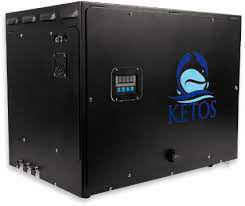 KETOS SHIELD allows for real-time water monitoring of heavy metals (like chromium) and many other water testing parameters – while lowering up-front costs with our industry-leading $0-CAPEX subscription model.
KETOS SHIELD provides real-time monitoring for chromium and 30+ other water testing parameters (such as other heavy metals, inorganic materials, and various environmental factors). Monitoring happens via an interoperable, modular system that uploads your data to the cloud for easy 24/7 access from anywhere. Water operators simply set the parameters they want, decide how often they want water quality tested, and collect results via an automated process that removes the need for manual interventions or third-party lab reports.
Why Monitor Water for Chromium with KETOS
Chromium is released into the environment primarily through leaching. However, it’s also released in large quantities from stationary point sources resulting from human activities. These activities include manufacturing such as metal processing, glass making, textiles, electroplating, and cement production. Landfills can also release chromium into groundwater.
Chromium is a highly toxic substance and is a known carcinogen. The EPA currently has a Maximum Contaminant Level (MCL) for total chromium at 0.1 mg/L.
Due to its high toxicity levels, it’s essential to remove chromium from wastewater and safely dispose of it. Continuous monitoring of water containing chromium can help ensure proper treatment and disposal and reduce levels at the source to maintain compliance with local regulatory bodies.
What are the Issues with Chromium in Water?
Chromium contamination in water sources poses significant environmental and public health concerns, drawing attention due to its toxic effects and potential long-term consequences. Here are several key issues associated with elevated levels of chromium in water:
- Health Risks: Chromium exists in multiple oxidation states, with hexavalent chromium (Cr(VI)) being particularly hazardous to human health. Prolonged exposure to high concentrations of Cr(VI) through drinking water or food can lead to severe health issues, including respiratory problems, skin irritation, gastrointestinal effects, and an increased risk of various cancers, such as lung cancer.
- Environmental Impact: Chromium contamination in water not only affects human health but also poses risks to the environment. Discharges from industrial processes, such as electroplating, leather tanning, and metalworking, can introduce chromium into water bodies, where it may accumulate and persist. This contamination can disrupt aquatic ecosystems, harming aquatic life and biodiversity.
- Regulatory Concerns: Governments and regulatory agencies worldwide have established guidelines and standards for chromium levels in drinking water to protect public health. Compliance with these regulations presents challenges for industries and municipalities, requiring effective monitoring, treatment, and mitigation strategies to ensure water quality and safety.
- Groundwater Contamination: Chromium contamination in groundwater is a prevalent issue, particularly in areas with industrial activities or improper waste disposal practices. Once chromium leaches into groundwater, it can persist for long periods, posing risks to nearby communities reliant on groundwater as a drinking water source.
- Treatment Challenges: Removing chromium from water sources presents technical challenges, especially when dealing with Cr(VI) contamination. Traditional treatment methods such as oxidation, precipitation, and filtration may be ineffective or costly, requiring innovative approaches and advanced technologies for efficient removal and remediation.
- Community Concerns: Chromium contamination incidents often trigger public concern and community outrage, especially when health risks are perceived as significant. Communities affected by chromium pollution may experience social and economic disruptions, including declines in property values, loss of trust in local authorities, and increased healthcare costs associated with addressing health effects.
Causes of Chromium in Water
Chromium in water can result from both natural geological processes and human activities. In its natural state, chromium is found in various minerals and rocks. As these rocks weather and erode, chromium can leach into groundwater and surface water. Regions with chromium-rich mineral deposits are more prone to this type of natural contamination.
Acceptable Levels of Chromium in Water by Industry
Chromium, a naturally occurring element found in rocks, plants, soil, and volcanic dust, is present in water sources primarily due to industrial activities. The acceptable levels of chromium in water vary by industry due to the potential health risks and environmental impact. Regulatory bodies, such as the Environmental Protection Agency (EPA) and the World Health Organization (WHO), have set standards to ensure water safety. For drinking water, the maximum allowable concentration is typically set at 0.1 mg/L (100 ppb) for total chromium, including chromium-6, known for its carcinogenic properties. Industries like electroplating, leather tanning, and textile manufacturing have stricter effluent standards to minimize chromium discharge into the environment. Compliance with these standards helps protect human health and the ecosystem from the adverse effects of chromium contamination.
| Industry | Regulatory Body | Acceptable Level (mg/L) |
|---|---|---|
| Drinking Water | EPA, WHO | 0.1 |
| Electroplating | EPA | 0.05 |
| Leather Tanning | EPA | 0.1 |
| Textile Manufacturing | EPA | 0.1 |
How to Easily Monitor Water for Chromium
Instead of measuring chromium with a meter that only measures a handful of conditions; the KETOS SHIELD is capable of mentoring dozens of water related issues — in real-time. Monitoring for chromium is easy with KETOS – but it’s just the beginning of what we can do.
Monitoring chromium is simplified with KETOS, yet our capabilities extend far beyond. With KETOS, dive into a multitude of water testing parameters effortlessly. From chromium to nitrates and beyond, unlock comprehensive insights for robust water quality management, ensuring safety and compliance with ease. Chromium testing is merely scratching the surface of what KETOS has to offer – the platform enables users to explore a diverse range of water quality metrics, providing a seamless and comprehensive approach to water monitoring and analysis.
Whether you’re assessing boron levels in wastewater, monitoring conductivity, or detecting copper in drinking water, KETOS’ automated water monitoring system offers efficient solutions. Save time and mitigate compliance risks with our advanced technology.