

A digital water quality monitor is no longer just a specialized gadget for big utilities. It is now a practical tool for farms, factories, local governments, and even households that want reliable, up-to-date information about the water they use every day.
As water quality risks become more complex, relying solely on test strips and occasional lab samples is no longer enough. A digital approach gives you more frequent data, more consistent measurements, and a clearer picture of what is actually happening in your system.
In this guide, we will look at what a digital water quality monitor does, why traditional testing methods fall short, how digital tools improve accuracy, and how users are putting them to work.
What Is a Digital Water Quality Monitor?
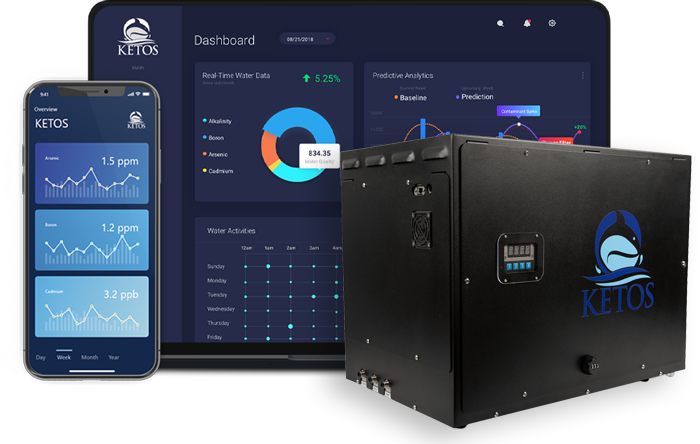
A digital water quality monitor is an electronic device that measures various water characteristics using sensors, then converts those sensor readings into numbers you can read on a screen or via software. Instead of guessing colors on a strip or waiting for a lab report, you see actual values such as pH 7.2, dissolved oxygen 6.5 mg/L, or turbidity 1.5 NTU.
Most digital water quality monitor systems include three main parts:
- One or more sensors that sit in the water or in a sample
- A processing unit (sometimes inside the probe, sometimes in a handheld meter or controller)
- A display or communication interface such as a screen, a data logger, or a cloud dashboard
Depending on the model, a digital water quality monitor can measure:
- pH
- Temperature
- Total Dissolved Solids (TDS)
- Dissolved Oxygen (DO)
- Turbidity
- Electrical Conductivity (EC)
- Salinity
- Ammonia and other specific ions with the right probes
Some devices are simple handheld meters that you dip into a glass of water. Others are rugged probes that stay in a tank, pipeline, or river for weeks or months. Higher-end systems are often connected to the internet, sending data to a cloud platform for real-time viewing, storage, and analysis.
A key point is that a digital water quality monitor does not just “read” the water. It interprets signals from the sensors. Inside the device, small circuits and software apply calibration data and, sometimes, mathematical models to convert raw signals into stable, meaningful values.
Why Are Traditional Water Testing Methods Falling Behind?
For many years, water quality testing has relied on manual methods. A typical process might look like this:
- Collect a sample in a bottle.
- Label and transport it to a lab.
- Run chemical tests using reagents or instruments.
- Wait for the results and then interpret them.
This approach still has value, especially for complex analyses that require advanced lab equipment. However, it has several weaknesses in day-to-day control and in making quick decisions.
1. Gaps in time
Traditional testing gives you snapshots, not a continuous picture. If you test once a day at 9 a.m., you know what the water looked like at 9 a.m., and that is all. If a contamination event happens at 3 p.m. and disappears by 6 p.m., traditional methods might never detect it. A digital water quality monitor, especially one that continuously logs data, can capture those short, critical events.
2. Changes during transport
Water is not “frozen in time” once it is in a bottle. Temperature, exposure to air, and biological activity can all change a sample during transport. If the lab is far away or the sample sits too long, the result you get may not reflect the water conditions at the moment you collected it.
3. Human interpretation
Many field kits require you to compare colors or judge subtle shade differences. This introduces human bias. Different people may see slightly different colors, especially in poor lighting or in outdoor conditions. A digital water quality monitor gives numerical values, reducing this guesswork.
4. Limited frequency
Because manual testing takes time and effort, it usually happens infrequently. In practice, this means many systems operate with incomplete information. Problems may grow for hours or days before anyone realizes something has changed.
None of this means you should abandon lab testing. Instead, it shows why adding a digital water-quality monitor creates a more comprehensive, accurate monitoring strategy.
How Does a Digital Water Quality Monitor Improve Testing Accuracy?
Accuracy in water testing is not only about the device brand or price. It is about how consistently the device can measure the true value of a parameter and how often it can catch changes. A digital water quality monitor improves accuracy in several important ways.
It reduces human error
With manual test kits, a lot can go wrong:
- You might miscount drops of reagent.
- You might mix up sample containers.
- You might misread a color card.
- You might write down a number incorrectly in a logbook.
A digital water quality monitor automates most of these steps. The sensors respond to the water, the electronics process the signals, and the values appear on a screen or in software. Many systems automatically record data with a timestamp, so there is no need for handwritten logs. This reduction in manual handling leads to fewer mistakes and more consistent results.
It supports regular calibration
Calibration is the process of checking a sensor against a known standard and adjusting it if needed. Many people know they should calibrate, but they underestimate how important the process is.
With a good digital water quality monitor, calibration is usually guided step by step on the screen. The device may walk you through placing the sensor in a standard solution, waiting for it to stabilize, and then confirming the new calibration. Some systems even show reminders when calibration is due.
In many tests, properly calibrated low-cost sensors can perform almost as well as much more expensive models. The calibration routine, the quality of the reference solutions, and how often you calibrate can be more important than the brand name on the sensor body.
It measures continuously
A digital water quality monitor can often measure parameters every few seconds or minutes. When connected to a data logger or a network, it can create a complete time series of data. This continuous measurement reveals patterns that traditional testing misses:
- Daily cycles in dissolved oxygen in ponds
- Short spikes in turbidity during storms
- Gradual changes in conductivity as a leak or intrusion develops
Seeing these patterns gives you a more accurate understanding of how your system behaves. You are not just “checking a box” by testing once. You are actually learning the behavior of your water system.
It records and organizes data
Accuracy is not only about a single number, but also about how trustworthy your data is over time. A digital water quality monitor, especially one with logging or cloud connectivity, builds a detailed history:
- Values are recorded at regular intervals.
- Each reading is time-stamped.
- Trends can be graphed and compared.
- Sudden changes can be flagged quickly.
This creates a reliable record that can support audits, reports, or investigations when something goes wrong. It also helps you spot subtle issues early, such as slow drift in pH or gradual loss of oxygen in a tank at night.
What Parameters Can a Digital Water Quality Monitor Measure?
One of the strengths of a modern digital water quality monitor is its ability to measure multiple parameters simultaneously. Here are some of the most common, along with why they matter:
1. pH
pH measures how acidic or basic the water is. It affects metal corrosion, chemical reactions, and the health of fish and other aquatic organisms. Many digital meters combine pH and temperature sensors because temperature influences pH readings.
2. Temperature
Temperature affects almost every aspect of water quality. It changes how much oxygen water can hold, how fast chemical reactions occur, and how quickly microorganisms grow. A digital water quality monitor that tracks temperature helps you interpret other parameters correctly.
3. Total Dissolved Solids (TDS) and Conductivity
TDS and conductivity are often related. They give a sense of how many dissolved ions are in the water. High readings can indicate mineral content, salts, or other dissolved substances. For home users, a simple digital water quality monitor that measures TDS is a common first step in checking drinking water.
4. Dissolved Oxygen (DO)
DO is vital in aquaculture, wastewater treatment, and natural waters. Fish, beneficial bacteria, and many other organisms depend on adequate oxygen levels. A DO sensor in a digital water quality monitor provides early warning if levels drop to dangerous points, especially at night or during hot weather.
5. Turbidity
Turbidity measures how cloudy the water is. High turbidity can indicate erosion, algae, or suspended solids. Optical sensors in a digital water quality monitor can continuously measure turbidity, which is useful during rain events, construction, or industrial discharges.
6. Salinity and Specific Ions
In coastal or brackish waters, or in aquaculture, salinity is a critical parameter. Some digital water quality monitor systems can also use specialized ion-selective electrodes to measure ammonia, nitrate, or other ions.
By combining several of these sensors into a single platform, a digital water quality monitor provides a more complete picture with fewer steps and less handling.
Where Are Digital Water Quality Monitors Used in Practice?
Because of their flexibility, digital water quality monitoring systems are used in many sectors.
1. Aquaculture and fish farming
Farmers use digital monitoring to track dissolved oxygen, temperature, pH, and ammonia in ponds and tanks. A drop in oxygen at night or a spike in ammonia after feeding can lead to fish stress or even mass losses. A continuous digital water quality monitor can catch these changes early enough for farmers to adjust aeration, feeding, or flushing.
2. Municipal drinking water
City water systems use digital sensors in treatment plants and, increasingly, in distribution networks. A digital water quality monitor in a pipe or storage tank can detect shifts in chlorine, turbidity, or conductivity that may signal contamination or changes in source water. Having this data in real time supports faster decision-making during operational changes or emergencies.
3. Industrial and manufacturing facilities
Industries that discharge water, such as food processing, mining, or chemical plants, often need to meet strict limits. A digital water-quality monitor installed at discharge points enables operators to observe the effects of process changes on pH, temperature, and other parameters. This reduces the risk of noncompliance and helps optimize treatment systems.
4. Environmental monitoring
Researchers and agencies place digital water-quality monitoring systems in rivers, lakes, and coastal areas to track long-term trends and detect pollution events. Solar-powered stations with digital sensors can send data back without daily site visits. This approach allows for broader coverage and better understanding of seasonal changes.
5. Home and small business use
In recent years, more affordable handheld or countertop devices have appeared for home users. A simple digital water quality monitor for TDS and pH can help homeowners keep an eye on their tap water, private wells, or filtered water systems. While this is not a replacement for professional lab testing, it is a helpful way to track basic trends and notice sudden changes.
How Do You Choose the Right Digital Water Quality Monitor?
Choosing a digital water quality monitor involves more than just picking a model with the most features. Here are the key points to consider.
1. Define your goals and parameters
Ask yourself:
- What do I need to protect or manage? (fish, drinking water, equipment, environment)
- Which parameters matter most for that goal? (pH, DO, turbidity, etc.)
- How often do I need data? (every minute, every hour, once a day)
- This will narrow down which type of digital water quality monitor is appropriate.
2. Decide on portable vs fixed
If you plan to visit different sites and test on the spot, a portable handheld digital water quality monitor is ideal. If you need continuous readings at a single location, such as a tank or outfall, a fixed probe with a controller or logger is a better fit.
3. Consider connectivity
Some users only need local readings on a screen. Others benefit from connecting the digital water quality monitor to a SCADA system, cloud platform, or mobile app. Remote access, alarms, and automated reports can be very valuable in larger operations.
4. Look at calibration and maintenance
Check:
- How easy is it to calibrate?
- Are calibration solutions readily available?
- How often does the manufacturer recommend maintenance?
- Are spare parts, such as pH electrodes, easy to replace?
- A simple-to-maintain digital water quality monitor is more likely to remain accurate over time.
5. Balance cost and quality
You do not always need the most expensive model. For many applications, a mid-range digital water quality monitor with good calibration routines and solid support is more than enough. However, extremely cheap devices with no calibration options or unclear specifications can be risky if your decisions have high stakes, such as regulatory compliance or public health.
Conclusion
A digital water quality monitor is more than a modern replacement for test strips and occasional lab samples; it is a practical way to turn water testing from a guess-based routine into a data-driven habit. By reducing human error, supporting regular calibration, and providing continuous readings instead of one-time snapshots, you get a clearer picture of how your water behaves over time. When you can see trends, spot sudden changes, and review detailed histories of readings, you are in a much stronger position to protect health, equipment, and the environment.
Digital monitoring also does not have to be complicated or limited to large utilities. There are solutions suited for home users, farms, small businesses, and industrial sites alike. With the right choice of digital water quality monitor, a simple maintenance routine, and some basic training, you can turn water quality from a source of uncertainty into an area you manage with confidence.
To take the next step, contact KETOS to learn how our water quality monitoring solutions can help you design, deploy, and scale a system that fits your needs today and supports your goals for tomorrow.
FAQs
How often should I calibrate a digital water quality monitor?
For most applications, it is wise to calibrate before important testing sessions and at regular intervals, such as weekly or monthly, depending on use. Sensors used in harsh or continuous conditions may need more frequent calibration to stay accurate.
Can a digital water quality monitor replace lab testing completely?
No, it is best viewed as a complement rather than a replacement. It is excellent for day-to-day tracking and early warning, while certified laboratories are still needed for detailed compliance testing and complex contaminant analysis.
Is a digital water quality monitor hard to use for beginners?
Most modern units are designed with simple menus and guided calibration steps, so new users can learn the basics quickly. The main learning curve is in understanding what each parameter means and how to maintain the sensors properly.
What kind of maintenance does a digital water quality monitor need?
Basic maintenance includes regular cleaning of the probes, timely calibration with standard solutions, and occasional replacement of parts like pH electrodes. Keeping a simple maintenance log helps extend the life and reliability of the device.
Is a digital water quality monitor worth it for home use?
For many households, especially those using wells or filters, a basic digital water quality monitor for parameters like TDS and pH can be very helpful. It offers ongoing insight into water quality and can alert you when something changes, even though it does not replace professional lab testing.