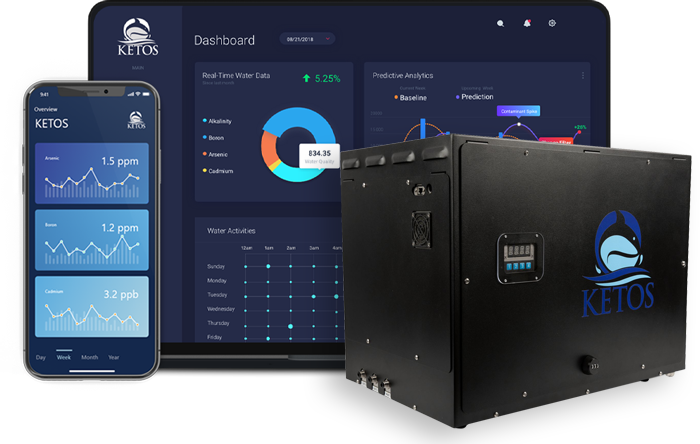



This week starts on the East End of Long Island, where a water authority built a test for a kind of PFAS nobody in New York had been checking, and found it in four public wells. Measurement runs through the rest of the issue too: a county using continuous data to settle a brown-water question, a federal study that screens for 1,400 compounds at once, a new KETOS calculator for what real-time data saves at the plant, new estimates of how much water data centers will need, and a boil advisory in Arizona that lasted about a day. This page is the companion to our newsletter; each section stands alone.
Inside this week’s edition:
- Trial by firewater
- Fulton County’s data pays off
- See what hourly data saves your plant
- EPA screens for 1,400 unknowns
- How thirsty will data centers get?
- By the numbers
- One good sign: Maricopa’s all-clear in a day
Trial by Firewater
What was found. In January 2026, the Suffolk County Water Authority (SCWA) began testing drinking water with a method it developed in-house for ultra-short-chain PFAS. New York’s Department of Environmental Conservation (DEC) says this class of compounds had not been monitored by SCWA “or any other public water supply in New York State.” The new test found perfluoropropionic acid (PFPrA) in four public supply wells at the Bridgehampton Road wellfield in East Hampton. January results were below New York’s 50 ppb limit for unspecified organic contaminants, and April and May results were above it. SCWA took two wells out of service and restricted the other two.
How it may have gotten there. On May 31, 2023, a fire broke out at the East Hampton Battery Energy Storage System, upgradient of the wellfield. DEC’s September 2026 community update says the facility’s sprinklers ran for about 30 hours, putting more than a million gallons of water on the building, while about 4,900 pounds of Novec 1230 were released inside it. Novec 1230 is a waterless “clean agent” fire suppressant, a fluorinated ketone that is not itself a regulated PFAS but can break down into PFAS when it mixes with water. DEC’s preliminary analysis is that the water and the suppressant combined into runoff containing PFPrA, which soaked into the ground south of the building and moved toward the wellfield over the following three years. The highest PFPrA readings in both soil and groundwater were next to the building.
The batteries themselves. Only 672 of the more than 180,000 battery cells on site burned, and soil sampling after the fire found no battery-related metals. DEC says the source is “not likely related to battery materials or the batteries themselves” and that the investigation “points to the fire suppression system, not battery storage.” DEC calls this a preliminary indication. A final report is due this fall, and DEC says it is pursuing potential responsible parties. SCWA has separately sued the facility’s developers, operators, and equipment manufacturers.
How risky is PFPrA? PFPrA has no compound-specific enforceable standard, state or federal. The New York State Department of Health set a preliminary screening level of 3 ppb, adopting a 2023 U.S. Geological Survey health-based value, and describes PFPrA as less toxic than PFOA and PFOS and cleared by the body relatively quickly. DEC notes that only a few labs can analyze ultra-short-chain PFAS, and none of their methods has been certified by state or federal regulators yet.
Why it matters beyond East Hampton. DEC says systems like Novec 1230 are installed at facilities such as fuel farms, laboratories, archives, and data centers, and are not designed to be used with water. It is working with NYSERDA and New York State Fire to learn how common they are.
The KETOS read. Standard PFAS methods cover the long-chain compounds that drinking water rules regulate, and those are the right first panel for almost any system. Ultra-short-chain compounds like PFPrA are the exception: they need a method built for them, and few labs offer one today. When a site has a fire, a foam discharge, or a suppression release upgradient of a well, it is worth asking which compounds the lab’s method actually covers before the next sample goes out.
Sources: NY DEC, “Bridgehampton Wellfield PFAS Source Investigation Update” (Community Update, September 2026); NY DEC, East Hampton PFAS Investigation (webpage); Suffolk County Water Authority, East Hampton Battery Storage Information; NYS Department of Health, East Hampton Area PFAS in Drinking Water (July 2026).
Fulton County’s Data Pays Off
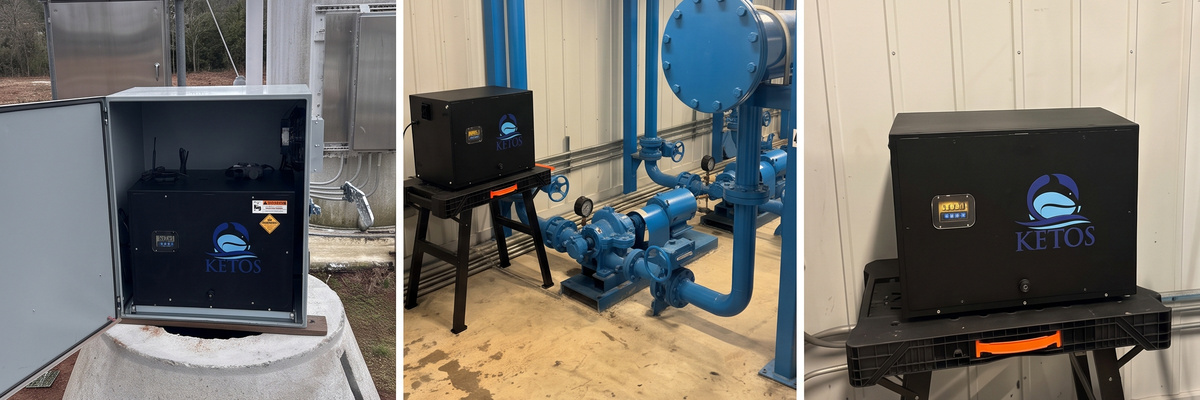
The brown-water call. Last week we reported that Fulton County, Georgia has logged more than 122,000 readings from KETOS SHIELD across its drinking water distribution system. When customers reported brown water, continuous SHIELD data let the county trace the cause quickly to fire department line flushing, not a problem in the distribution system, which spared the county an unnecessary investigation.
Hours back. Fulton County’s water quality team keeps up with more than 180 distribution sites sampled monthly, largely through manual grab samples and handheld meters. At the two pump stations where SHIELD runs continuously, the county avoids an estimated 200 to 400 hours a year of manual spot checks.
What comes next. The county has proposed adding SHIELD at more pump stations to cover more of its distribution network, with two more units in procurement. The joint comparative study with the Georgia Environmental Protection Division, which tests whether continuous data can count toward formal compliance reporting, continues.
Concerned about contaminants in your water?
Get water testing from KETOS KELP using EPA-certified methodology, results you can trust, backed by real data.
Order a Water Test →See What Hourly Data Saves Your Plant
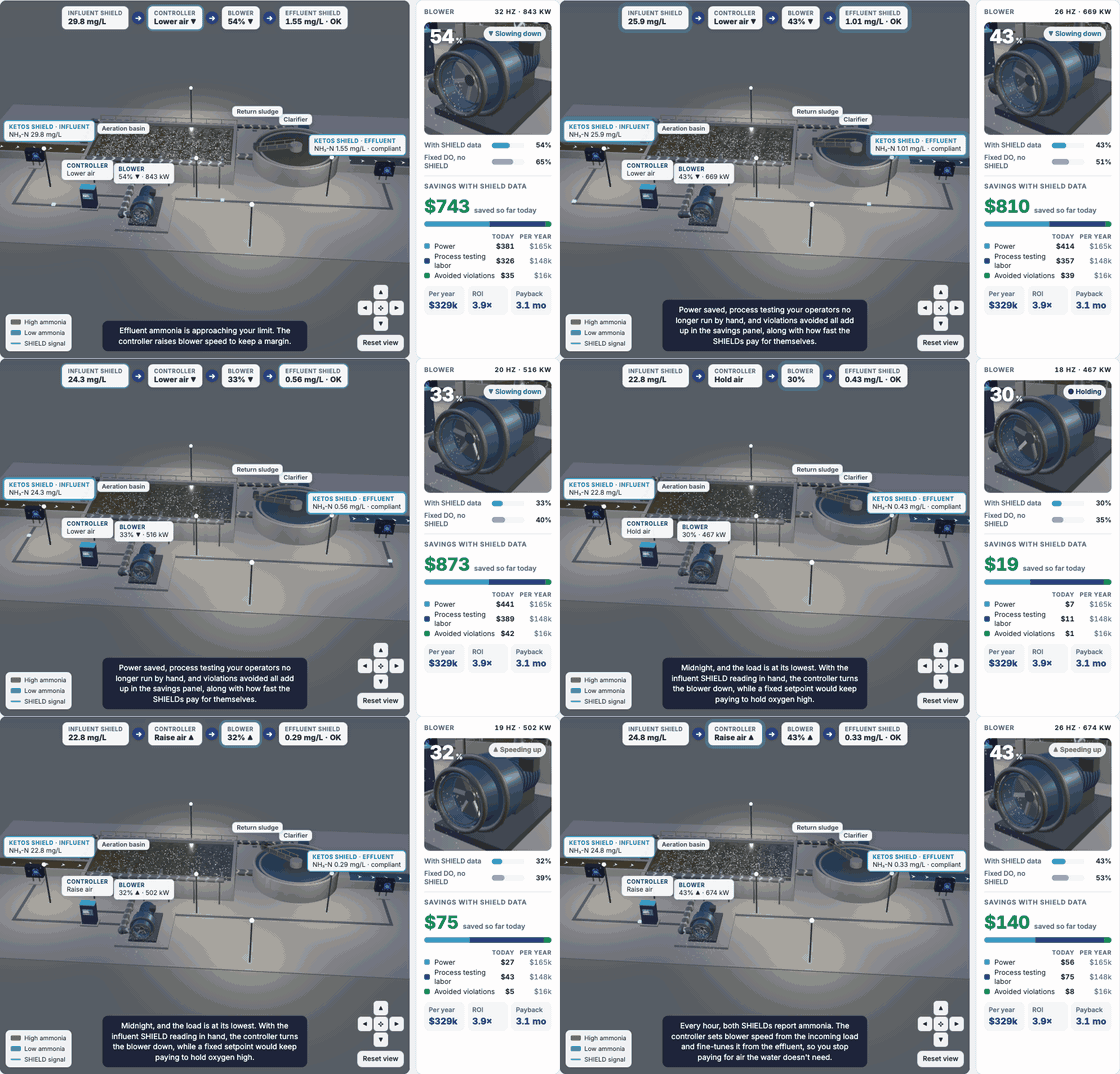
What it is. H2ROI is a new interactive KETOS calculator that shows how real-time SHIELD data can be used as an input for process control. It covers eight applications: wastewater aeration blowers, wastewater chlorine dosing, drinking water chloramine dosing, mine acid drainage neutralization, automotive paint shop pretreatment, chemical effluent neutralization, steel cooling tower water, and open-field fertigation.
How it works. Pick an application and the simulator runs a plant through a day, showing what the process does with SHIELD data and without it. Enter your own flow, power price, testing routine, and labor rate, and it models the savings in power, process testing labor, and avoided violations, along with payback. You can export the results to Excel. A site assessment tailors every figure to your plant.
The aeration example. In wastewater aeration, SHIELD measures ammonia every hour at the influent and effluent, and the controller sets blower speed from the incoming load and fine-tunes it from the effluent. In a representative 20 MGD activated sludge plant, that cuts blower energy by up to 15 percent. Results vary by site.
Try it: ketos.co/h2roi. Watch the aeration walkthrough: KETOS SHIELD Wastewater Aeration. Read the white paper: Real-Time Data for Aeration and Disinfection.
EPA Screens for 1,400 Unknowns
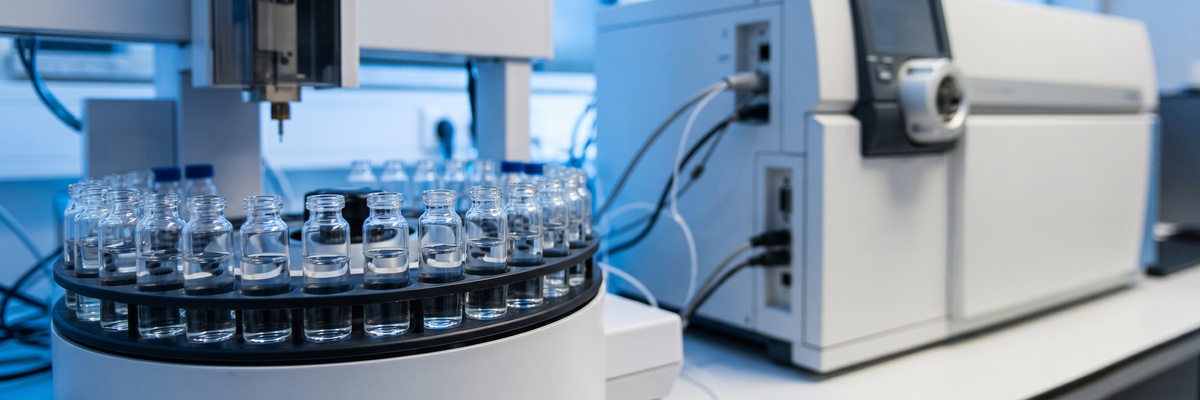
The study. In September, EPA launched a study that samples drinking water from several locations in different metropolitan areas. It screens the water against a custom library of more than 1,400 emerging contaminants: over 1,000 pesticides and pesticide breakdown products, more than 250 pharmaceuticals and personal care products, more than 70 PFAS, and other emerging contaminants. EPA will also build a database of unknown chemicals it detects for later identification. EPA has not published which metro areas are included.
What the method can and can’t do. Non-targeted analysis looks for many chemicals at once instead of a short, fixed list. In EPA’s words, it “can tell a researcher if a chemical is present but does not tell a researcher how much of the chemical is present.” Finding a compound is the first step. Measuring how much is there, and whether that amount matters, takes targeted methods afterward.
Where it fits. EPA describes the work as supporting the Safe Drinking Water Act and helping the agency prioritize future actions. It sits alongside the Contaminant Candidate List and the Unregulated Contaminant Monitoring Rule, the two existing processes for deciding what gets regulated next.
The KETOS read. Broad screening and targeted measurement do different jobs. A screen like EPA’s widens the list of compounds worth watching, and targeted tests put numbers on the ones that turn up. Most of a utility’s daily protection still comes from known parameters measured often, and those are the readings that show when something in the system has changed.
Sources: U.S. EPA, “EPA Launches Cutting-Edge Scientific Study to Strengthen Nation’s Understanding of Potential Contaminants” (news release, Sept 9, 2026) and non-targeted analysis drinking water study fact sheet (September 2026).
How Thirsty Will Data Centers Get?
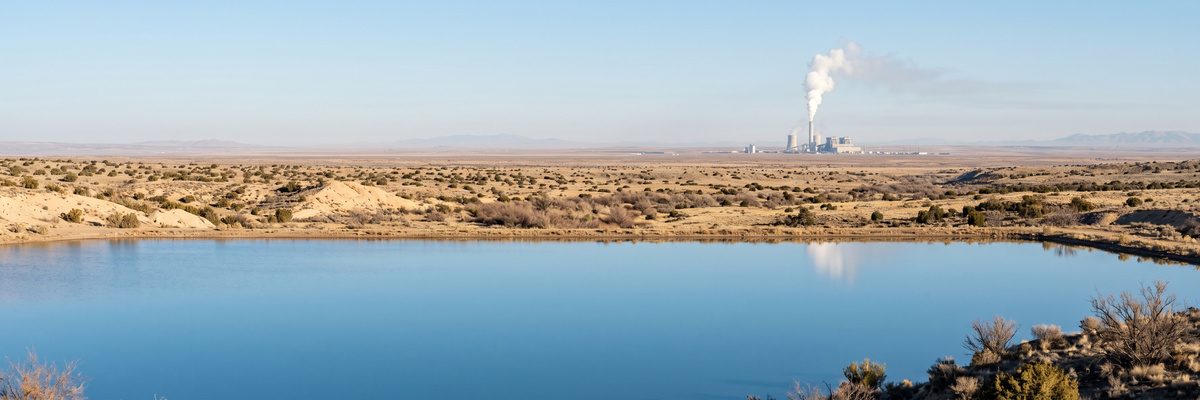
Texas. A May 2026 study from the University of Texas at Austin’s Bureau of Economic Geology estimates that data centers use less than 1 percent of Texas water today, and could use 3 to 9 percent by 2040. The estimate counts both water used on site for cooling and water used to generate the electricity data centers draw. For scale, manufacturing uses about 7 percent of the state’s water.
New Mexico. Researchers from the Houston Advanced Research Center presented estimates to New Mexico’s interim Water and Natural Resources Committee on August 31. They put current data center water use at about 502 million gallons a year, roughly 152 million for direct cooling and 350 million at power plants, about 0.05 percent of the state’s water use. If every planned facility is built, their handout puts the total near 16 billion gallons a year, about 1.6 percent. The researchers also told lawmakers that developers report little data on water use.
The KETOS read. Projections like these depend on how much data facilities report. Water drawn, cooling water chemistry, and what leaves the site in discharge and stormwater are measurable today, and facilities that track them can show their actual numbers when neighbors, regulators, or lawmakers ask.
Sources: UT Austin Jackson School of Geosciences, “Data centers are growing in Texas, but big questions remain about water use” (May 2026), on Arzumanyan, Bahadur, and Lin, “Water Use Requirements for Data Centers in Texas”; Houston Advanced Research Center, “Thirsty Data: Water Use at Data Centers,” handout to the New Mexico Legislature’s Water and Natural Resources Committee (Aug 31, 2026).
By the Numbers
- 4,900 pounds: Novec 1230 fire suppressant released during the 2023 East Hampton battery fire (NY DEC)
- 3 ppb: New York’s preliminary screening level for PFPrA in drinking water (NYSDOH)
- 1,400+: emerging contaminants in EPA’s new drinking water screening library
- 200 to 400 hours: manual spot checks Fulton County avoids each year at two SHIELD sites
- 3 to 9 percent: projected share of Texas water use going to data centers by 2040 (UT Austin)
One Good Sign: Maricopa’s All-Clear in a Day
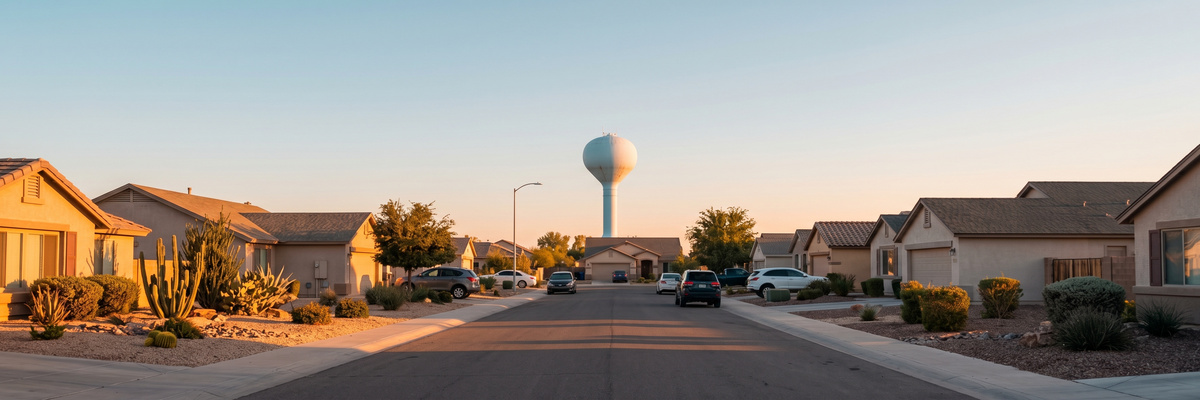
What happened. On Wednesday, October 7, two preliminary tests suggested possible E. coli in the system serving Maricopa, Arizona. Global Water, which serves the city, issued a precautionary boil water advisory under Arizona rules and told customers to boil water for one minute or use bottled water. Repeat samples collected that day came back negative for E. coli on October 8, and the advisory was canceled Thursday afternoon. No cause has been stated.
Why it counts as a good sign. The utility acted on a preliminary result instead of waiting, and confirmation sampling cleared the system within about a day. Some residents said they heard about the advisory through social media or a spouse’s email. Global Water says it contacted customers by email, text, and phone.
Context. The system’s only earlier E. coli detection came in August 2025, when one sample tested positive and all resamples came back clean within three days.
The KETOS read. A fast advisory and fast confirmation testing make a short boil notice possible. Steady chlorine residual and pH data from across the system give operators more to go on while they wait for the confirmation results.
Sources: AZFamily, “Maricopa boil water advisory canceled after negative E. coli tests” (Oct 8, 2026); KJZZ (Oct 8, 2026); Global Water Resources, public notice (2025).
KETOS builds continuous water-quality monitoring for utilities and industry. If a story here touched a problem you own, we would like to hear how you see it: reply to the newsletter, or find us at ketos.co.