

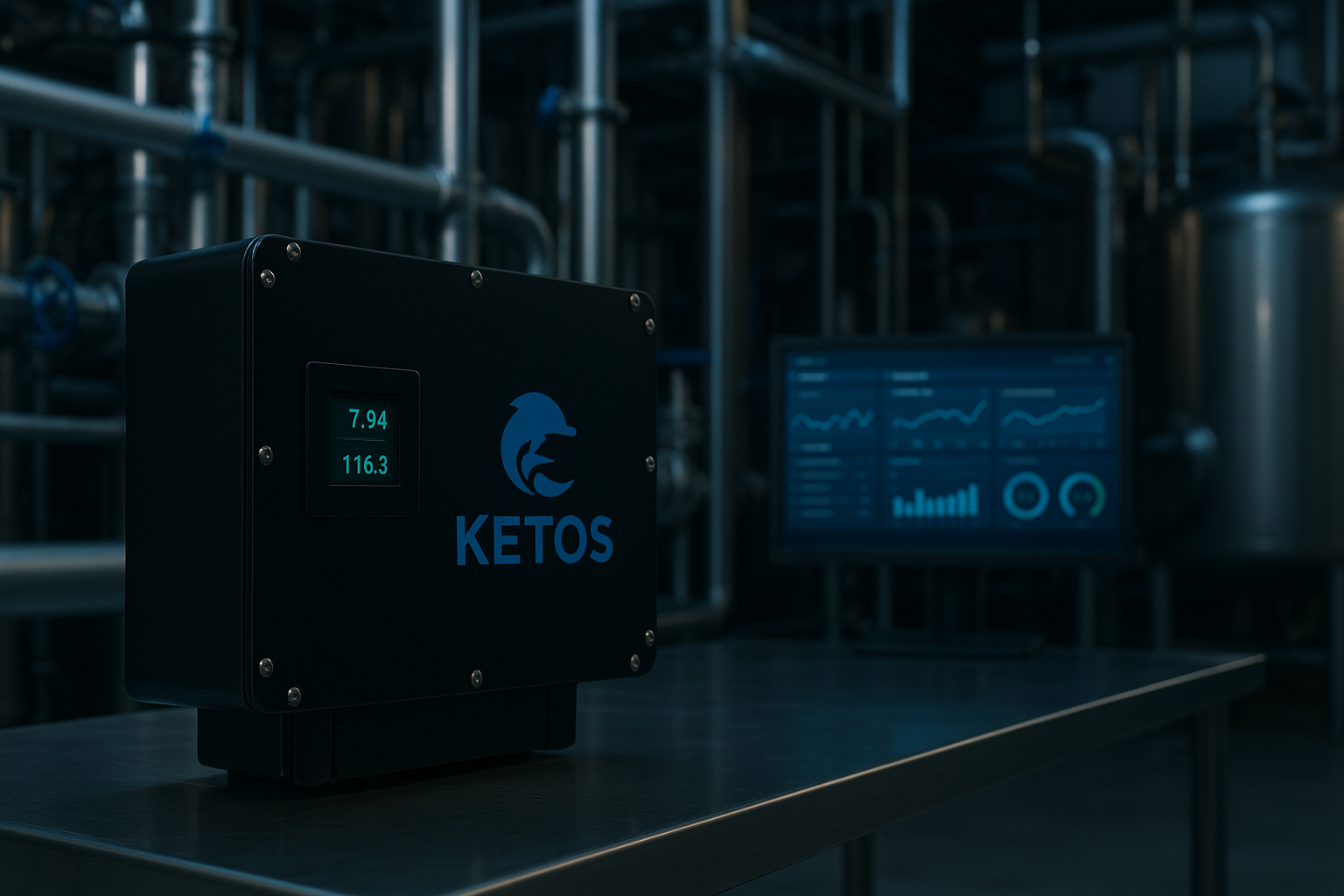
In industrial operations, whether mining, manufacturing, or energy production, water is rarely just water. It is a critical asset, a potential liability, and a strict regulatory metric all rolled into one.
Selecting the right water quality monitor now goes beyond simple compliance considerations. One needs to also consider how water quality monitoring can result in improved operational intelligence and real savings. With the shift toward Industry 4.0, the days of relying solely on manual grab samples are fading. Today’s facility managers need a robust online water quality analyzer that delivers data instantly, not days after the fact.
If you are evaluating solutions for your facility, this guide will help you navigate the noise and choose a system that drives efficiency, safety, and ROI.
The Shift to Real-Time Water Quality
Traditional water quality analysis often looks like this: a technician walks to a remote site, fills a plastic bottle, drives it to a lab, and waits 3–5 days for results. By the time you get the data, the water has already flowed downstream, processed through your cooling towers, or been discharged.
In high-stakes industrial environments, this latency is unacceptable.
An effective real time water quality system closes this gap. It provides a continuous stream of data, allowing operators to catch chemical imbalances, contaminant spikes, or equipment inefficiencies the moment they happen. This isn’t just monitoring; it is proactive risk management.
Key Features to Look for in a Water Quality Analyzer
When vetting a water analyzer for industrial use, look beyond the spec sheet. You need a system that can survive harsh environments while delivering lab-grade precision. Here are the non-negotiables:
1. Lab-Accurate Precision in the Field
Many low-cost sensors drift over time, providing “indicative” data rather than “actionable” data. For industrial compliance, you need a water quality monitor that offers accuracy comparable to third-party labs. This ensures that the data you see on your dashboard is data you can trust for regulatory reporting.
2. Multi-Parameter Analysis
Industrial water matrices are complex. A device that only measures pH and turbidity is rarely enough. The best water quality analyzer should be capable of measuring a comprehensive suite of parameters. This includes heavy metals (like arsenic, lead, and copper), inorganic salts, and environmental factors. The analyzer should also preferably monitor all of these simultaneously from a single unit.
3. Autonomy and Self-Maintenance
The hidden cost of many online water quality analyzer systems is maintenance. If your team has to spend hours every week cleaning probes or recalibrating sensors, you haven’t automated the process. You’ve just shifted the labor. Look for solutions that self-clean and self-calibrate to ensure zero downtime and minimal human intervention. At the very minimum, the responsibility for maintenance should not be yours. You should focus on what you do best. The responsibility for maintaining the water quality monitoring equipment should ideally lie with the provider of the solution.
4. Seamless Integration (Interoperability)
Your new water quality monitoring system should not exist in a silo. It needs to speak the language of your existing infrastructure. Whether you use SCADA or other industrial control systems, your data should flow centrally to provide a single source of truth.
Deep Dive: For a closer look at how automation is changing the landscape, read about Water Quality Analysis Methods and Automation.
Need real-time water quality monitoring?
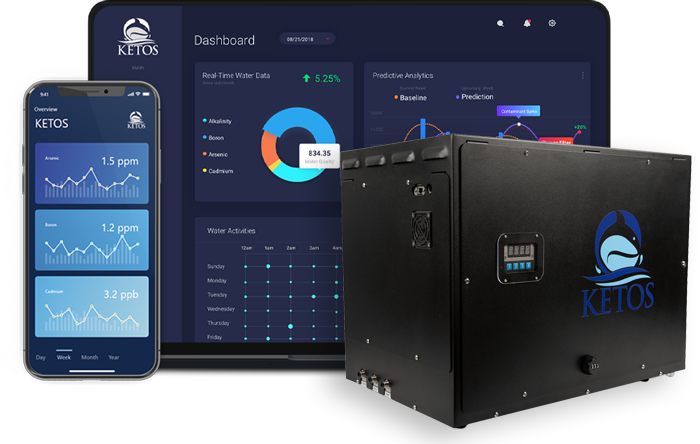
KETOS SHIELD continuously monitors 30+ parameters, replacing manual testing with automated, lab-accurate data.
Schedule a Demo →Why KETOS SHIELD is the Industrial Standard
When we designed KETOS SHIELD, we didn’t just build a sensor; we built a complete solution for water quality monitoring that addresses the specific pain points of industrial operators.
KETOS SHIELD is an autonomous, online water quality analyzer that brings the lab to the source. It is currently the only solution on the market that offers:
-
Lab-Accuracy: We provide EPA-compliant data that matches certified lab results.
-
30+ Parameters: From heavy metals to nitrates and environmental factors, SHIELD monitors dozens of analytes in near real-time.
-
Zero CAPEX Model: We operate on a service model. You don’t buy the hardware; you subscribe to the data. This includes all maintenance, upgrades, and consumables, eliminating unexpected costs.
For industries like mining or oil and gas, where water composition changes rapidly, KETOS SHIELD offers the real time water quality insights needed to prevent costly shutdowns and environmental fines.
Making the Right Choice
The best water quality monitor is one that works for you, not one that makes you work for it. It should act as an always-on guardian of your water infrastructure, alerting you to issues before they become disasters.
If you are ready to move beyond manual sampling and implement a true water quality analysis strategy, prioritize systems that offer integration, accuracy, and autonomy.
Recommended Reading
-
System Selection: Picking a Real-Time Water Quality Monitoring System
-
Application Focus: Wastewater Analysis in Real-Time
-
Groundwater: Real-Time, Remote Groundwater Monitoring
What’s your biggest challenge with your current water monitoring setup?
At KETOS, we can help you compare specific parameters or discuss how a $0 CAPEX model might fit your operational budget.